
Red Management / Becoming a stripper
Your style.
Your stage. Your pace.
If you are exploring work as a stripper or performer, start with a direction that suits you, a recognisable presentation and clear arrangements. This guide helps adults prepare questions before taking the next step.
Read the article ↗Explore the possibilities ↓
Not every stage asks for the same thing
A club night, event and theatre production each have a different atmosphere. Consider the setting and audience you would feel comfortable with. A show’s name does not establish exactly what is expected.
Striptease can involve removing clothing as part of a performance. Go-go generally centres on dancing and atmosphere, while burlesque often uses a character, costume and theatrical presentation. The forms can overlap, so ask about the specific performance. Appearance, gender and experience do not determine your boundaries for you. You may be clear about what you are and are not looking for even while you are exploring.
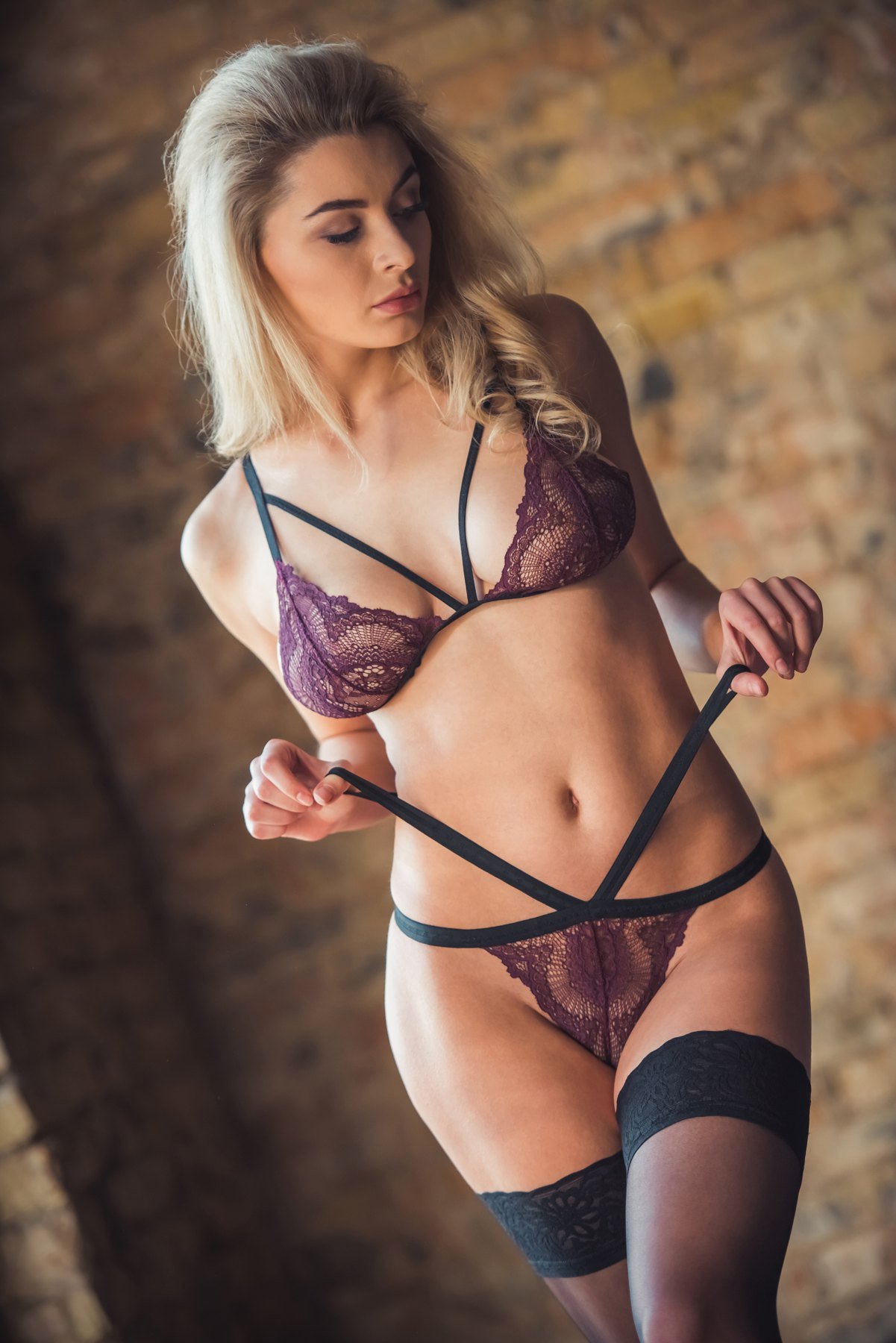
Choose your setting, character and conditions
Would a regular venue or different events suit you? A small audience or larger stage? Consider travel, working hours and backstage conditions as well as the performance.
Describe the impression you want to make: elegant, energetic, playful or theatrical, for example. Those words can connect your clothing, photographs and introduction. Discuss recognisability, clothing, distance from the audience and any contact. An invitation does not oblige you to accept additional work.
Prepare gradually
Dance or theatre classes may help you develop posture, rhythm and stage presence. Choose guidance suited to your level, build gradually and discuss physical complaints with an appropriate healthcare professional.
Practise practical habits too: being ready on time, understanding directions, preparing music and organising your belongings. Wear clothing and shoes you can move in safely. An unfamiliar venue is not the place to try a skill for the first time that you have not yet mastered.
Start with a small, current image selection. A recognisable portrait and a full-length view can show who you are. You do not need to commission an elaborate production for every first conversation.

Before leaving for a meeting or performance
Confirm a named contact and address, agreed start and finish times, clothing and other equipment, your outward and return journey, and a contact person at the venue. Ask what you must bring and what the venue provides. That prevents avoidable surprises.
Use photographs to show your character, and choose a coherent selection rather than showing everything at once. Styling references on this website are inspiration; they do not represent booked performances or performers we represent.
A short introduction in motion
How you look at the camera, stand and introduce yourself can express personality that a still photograph cannot capture. Choose material relevant to your intended direction. A calm introduction may be enough for a first meeting.
If someone requests a performance or audition, ask what it involves and who will view the recording. You do not need to copy the clothes or poses in our visual examples. Decide what you want to show.
Meet them and make your own assessment
Introduce yourself briefly with your work name, region, relevant experience and intended direction. Be honest about what you still want to develop and share only the information and photographs needed for the introduction.
Ask who will meet you, the purpose of the appointment and whether a trial is expected. Clarify duration, payment and any use of recordings. A conversation, an audition and a public performance are different arrangements. Adapt your message to the venue and request rather than sending the same generic introduction everywhere.
Questions for the organiser
Verify the organisation using contact details you find independently. Ask who will be present and how the meeting will run, preferably in an identifiable professional working environment.
Discuss the show type, duration, clothing, audience interaction and anything specifically outside the agreement. Replace vague phrases such as “anything is possible” with concrete arrangements. Ask whom to approach if something feels wrong and how to request a break or stop. The venue should explain how it deals with unwanted behaviour and your boundaries.
Make the business arrangements clear
Record what you will be paid for and when. Ask about waiting time, rehearsals, overtime, travel, accommodation, cancellation and deductions. A quoted fee says little if total time and costs remain unclear.
Discuss the floor, changing space, storage, sound, breaks and support. Ask how audience behaviour is managed and give your return journey attention, particularly with late working hours.
Agree rules for recordings by both the organiser and visitors. Discuss publication channels, name use, promotion and permission for reuse. A work name alone does not prevent recognition in photographs or video. Your working arrangement, tax and administrative obligations depend on your situation; seek suitable professional advice instead of relying only on the organiser’s account.
Independent information can help
Equity advises performers to research organisers, clarify the assignment in advance and use appropriate professional audition spaces. This is British performer guidance, not Dutch certification of a venue. The independent Sekswerk Meld- en Adviespunt can also help with questions about work, privacy or treatment as a sex worker. That support is separate from a presentation conversation with Red Management.
Can I start without experience or a particular body type?
You can explore without experience. Ask what a venue expects and which guidance is available. Dance classes, a clear presentation and a careful introductory conversation can be part of preparation.
There is no universal appearance for every performer role. The desired style varies by venue or production. Look for a fit with your presentation and do not let comments about your body determine your boundaries.
What can I earn, and do I need a showreel?
There is no single earnings figure that applies to everyone. Time, location, costs, terms and working arrangement all matter. Ask about actual payment and deductions; tips and future bookings are not guaranteed income.
A showreel is useful only if relevant or requested. A short representative selection can supplement your presentation later. Use only recordings you may share and agree how the recipient may use them. Red Management initially focuses on photographs, portfolios and online presentation. Contacting us is not registration for guaranteed performances or a promise of representation.
Adapted from our Dutch practical guide. The photographs illustrate style and presentation. Read the original in Dutch ↗