
Red Management / Building a model portfolio
A model portfolio.
What belongs in it?
A portfolio is a considered selection. It shows your style and possibilities without asking visitors to explore your entire archive. Bring different photographs together into a coherent presentation.
Read the article ↗Explore the possibilities ↓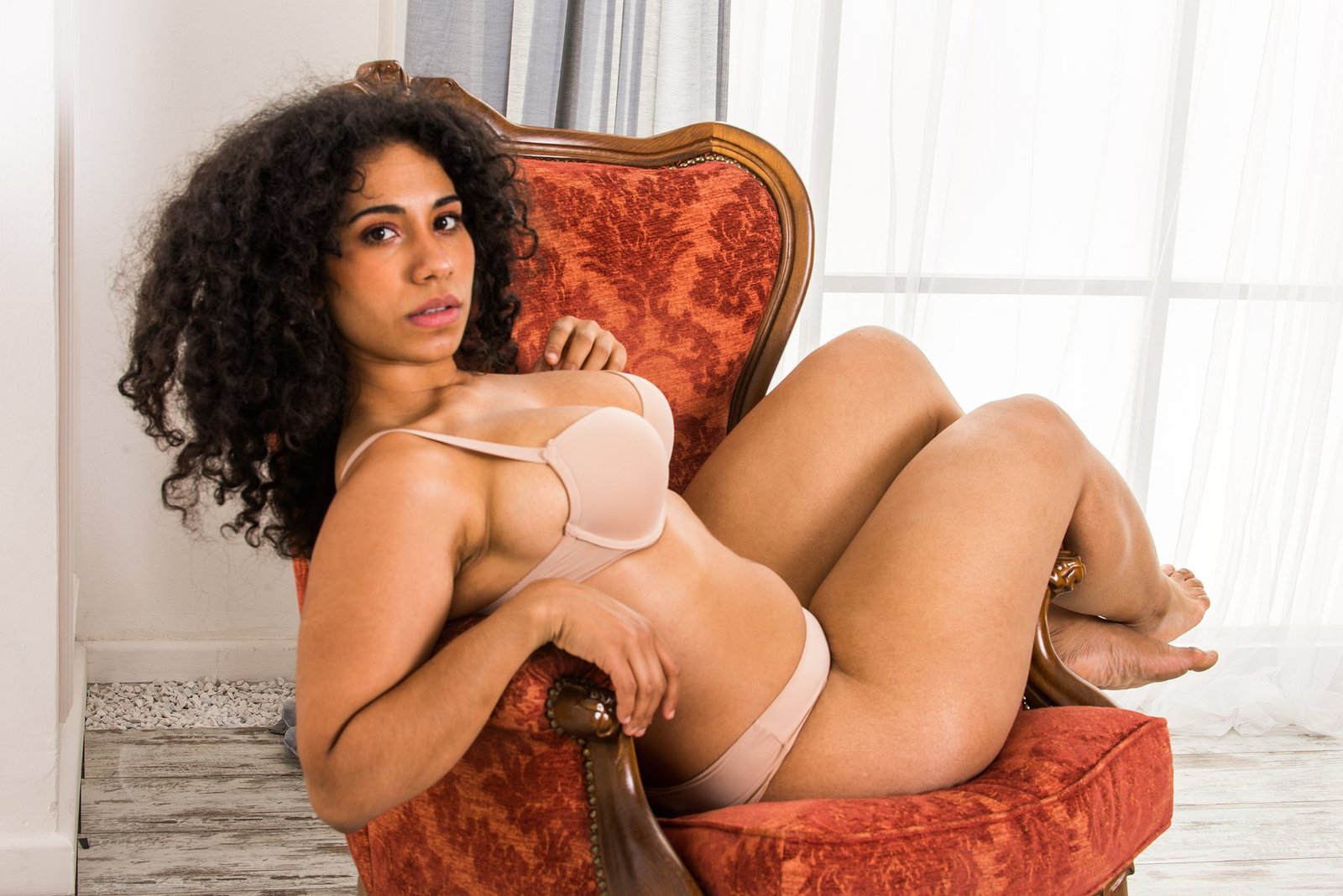
Start with your purpose
Do not begin by choosing your favourite photograph. Begin with what you want the portfolio to achieve. That makes selection easier.
On your own website, you can show more of your style. Establish a recognisable direction and give different series a logical place. Visitors should quickly understand who you are and what connects the images. For a specific introduction, make a smaller selection answering the brief. If you are exploring a new direction, show it clearly. You do not need to retain every older photograph simply because it once mattered; a portfolio can develop with you.
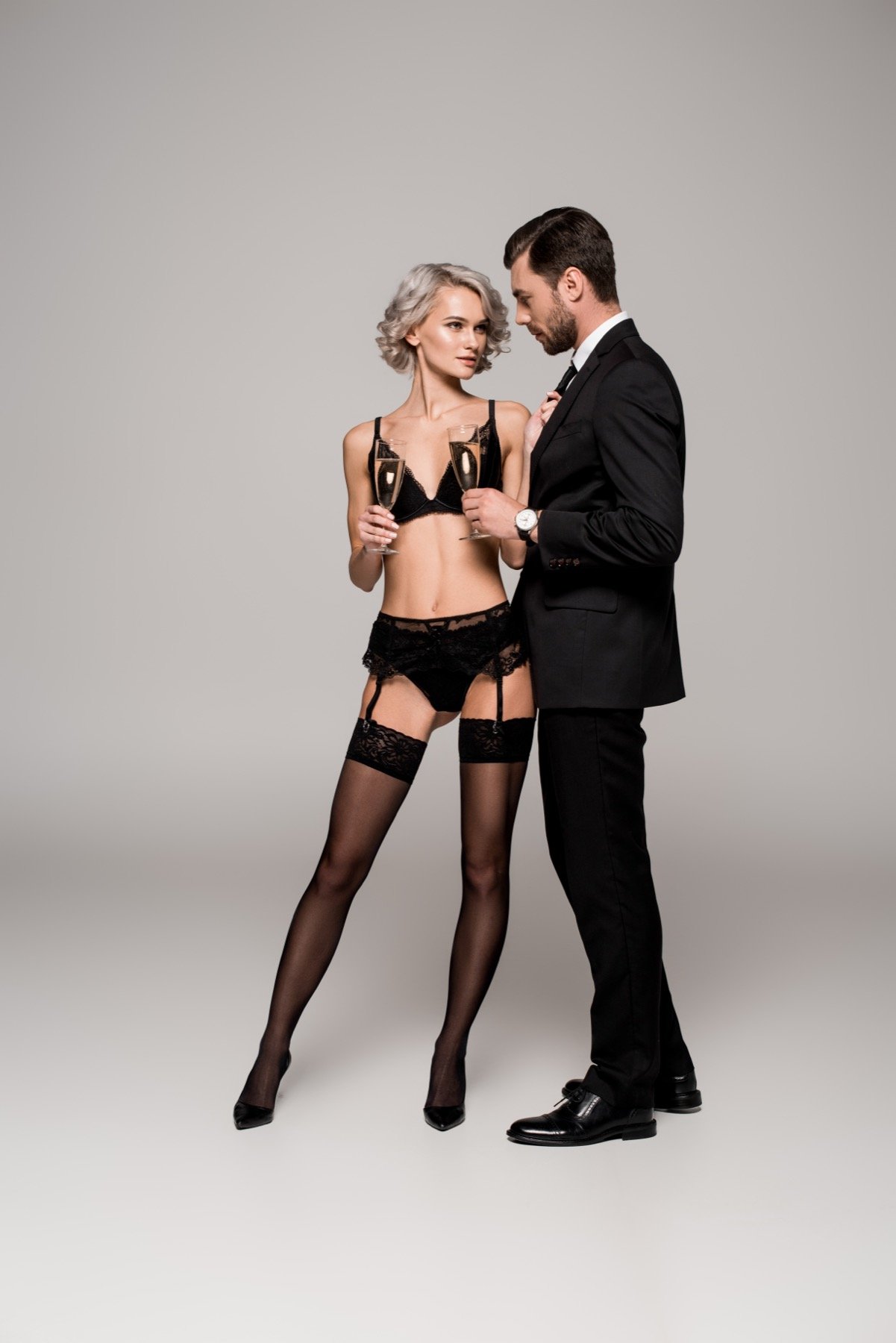
Variety with coherence
Consider what each image adds. A portrait shows expression, while a wider frame provides information about posture and styling. A different setting may add variety, but does not need to be included purely for contrast.
Place similar photographs beside each other and choose the one that works most clearly. Three nearly identical poses make a selection longer without saying much more. There is no fixed ideal number for every portfolio. Start compactly and add an image only when it contributes something new. Keep checking quality and consistency with the rest.
Open with your current direction
Choose a strong, current image that fits the portfolio’s purpose. The first photograph should not promise a style absent from the rest. Treat your initial order as a working version and check how the transitions feel. Not every series needs the same rhythm.
Show something different, then finish deliberately
Follow a portrait with a wider image, for example, then introduce another expression or setting. Avoid placing very similar photographs directly beside each other unless you intentionally want a short series.
Keep a convincing image for the end, followed by a contact route. The portfolio then finishes with a deliberate choice instead of the images left over from your selection.
Add a little context
Introduce yourself briefly and describe the style you are presenting. A work name is fine. Mention only experience you actually have; you do not need client names to make a personal portfolio.
If your material covers different approaches, group it by mood or type of photography. Use clear labels such as “Studio” or “Portrait”. Do not give inspiration images invented project names that suggest a real commission.
Make contact straightforward
A clear contact button is enough to make an enquiry easy. Check on your phone that the gallery opens properly, the text is readable and the button can be reached comfortably.
A portfolio is more than a collection of images, but it does not need a lengthy explanation around every photograph. Give visitors enough information to understand the selection and a simple way to ask a question.
Does every photograph need to be professional?
Start with what you have and assess sharpness, light and consistency. A focused new shoot can fill a missing part; you do not automatically need to remake everything. Decide what would genuinely add value before booking.
Can I combine different styles?
Yes. Make their connection clear or give each series its own section. If the selection feels unsettled, first try fewer photographs and a different order. Variety is useful when it contributes to your overall purpose.
When should I replace old images?
Replace images when they no longer show your current appearance, no longer fit your direction or add less than newer work. Review the whole selection after a shoot rather than simply adding every new photograph at the end.
What should I check before publishing?
Check your permission to use the images in this way, any agreed credits and your own recognisability. Review the entire page on mobile and test the contact link.
Red Management can help with selection, order and a personal presentation. Explain where the portfolio will be used and what you already have. A useful next step might be an image review, a focused shoot or a website that gives the selection a clear home.
Adapted from our Dutch practical guide. The photographs illustrate style and presentation. Read the original in Dutch ↗