Red Management / Plus size modelling
Plus size modelling.
Completely yourself.
Start with a presentation that shows who you are now. A clear image selection, suitable styling and your own direction make a first step concrete. This guide is for adults aged 18 and over.
Read the article ↗Explore the possibilities ↓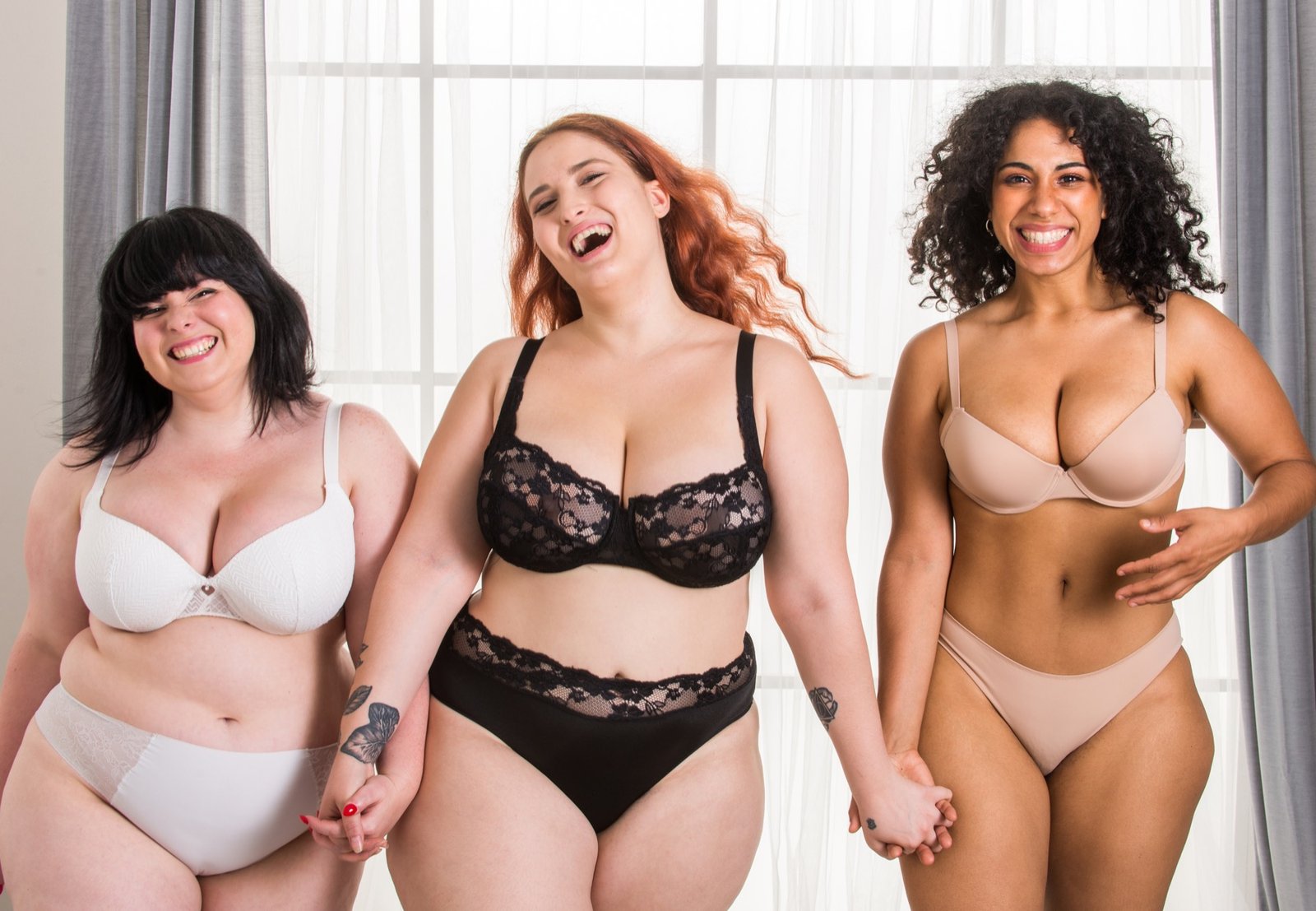
A category, not your whole personality
Plus size and curve are terms used in modelling for fuller body shapes. The measurements and appearance a client wants depend on the collection and concept. Do not treat a single clothing size as a universal entry requirement. Read the specific request and ask which information is needed.
For an initial presentation conversation with Red Management, you do not first need to fit a predetermined size range. A strong profile says more than your measurements: it shows your character, the types of images you want to make and how you present yourself to the camera.
Choose a direction
Fashion and lifestyle concepts involve conveying clothing and atmosphere. Ask about available clothing sizes, styling and the type of images. Different collections may call for different presentations.
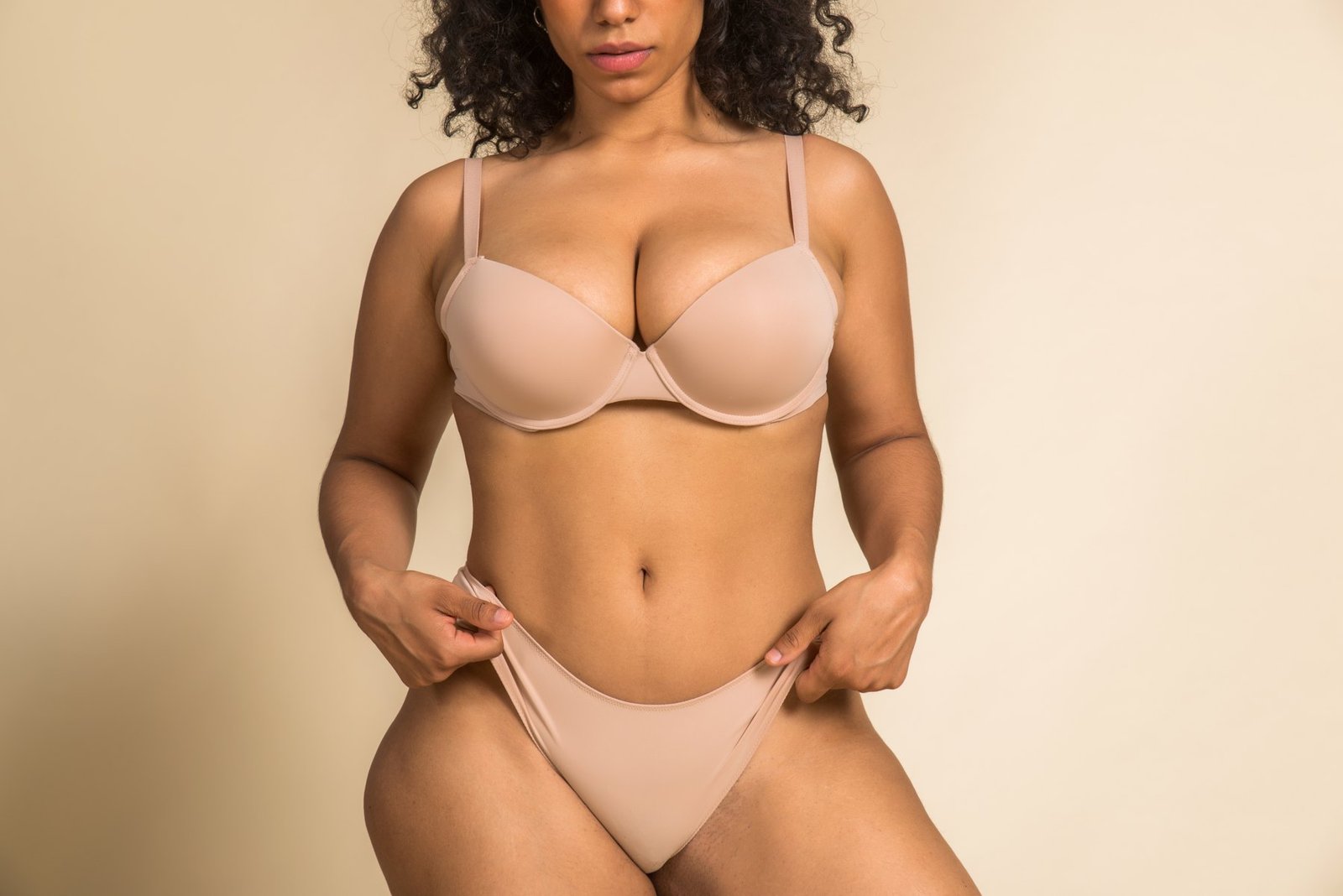
If you are interested in lingerie or sensual photography, state your preferences and boundaries. Plus size does not describe a degree of nudity or oblige you to anything. You may also start with photographs for your own website or introduction. A portrait series does not have to be an agency application or search for assignments.
A first selection with a clear purpose
Separate straightforward introductory photographs from styled portfolio work. A current, recognisable portrait shows your face and expression; use a quiet background and avoid filters that change your features. A full-length view shows posture; choose a relaxed stance and suitable clothing, and do not digitally reshape your body to make it narrower.
For your portfolio, add an image that expresses your chosen direction through different styling or expression. Give each photograph a function. This is a starting point for your own presentation; specific agency or casting instructions take priority.
Keep profile details honest and current
Measurements are practical information for styling, not a measure of how convincing you are on camera. Record what the application needs, such as height, clothing size, shoe size and, when requested, chest or bust, waist and hip measurements. State the sizing system, such as EU. A clothing label and a body measurement are not the same thing.
Update details when they change. Do not guess to make yourself fit a call, as incorrect information can cause problems during fitting and preparation. A comp card can combine a concise image selection with relevant details. A private address or identity document does not belong in a public portfolio.
Explain what you are looking for
A useful introduction covers the photography that interests you, experience or practice so far, current images, region, availability and any requested measurements. State what you would like to do and what you want to discuss first. You do not need to invent experience or book a complete production immediately.
Clothing that fits and room to move
Agree who handles styling and which sizes are available. Bring clothing that fits and lets you stand, sit and move comfortably. You do not need to wear something restrictive to fit an imagined ideal.
Decide what variety is useful: a simple base outfit, a striking combination or lingerie if that is your chosen direction. A few considered combinations are more useful than a full bag without a plan. Ask for guidance with hands, posture and expression, and review photographs together. Posing can be practised; you do not need to know everything at the first exposure.
Make a focused first approach
Read which department or project you are approaching, provide the requested number of images and follow delivery instructions. Write a short introduction explaining your direction, experience and availability. Distinguish building your presentation from applying for a specific casting.
Ask who will create the images, where they will be used and how time, costs and any payment are arranged. Perhaps one useful image is missing; perhaps you want to practise first. If you collaborate on an exchange basis, prepare the TFP arrangements before the shoot.
Why the recipient’s instructions matter
In the Dutch article, checked on 11 October 2026, MiLK was used as an example of an agency with a Curve collection. Its application guidance requested simple unfiltered images, did not require professional photographs and specifically did not request lingerie or swimwear images. This illustrates why the recipient’s current instructions matter. It is an external example, not a partnership with Red Management or a fresh verification of the agency’s requirements.
What size do I need, and can I start without experience?
We cannot give one size range that applies to every client. Ask about the agency’s or project’s criteria. You can discuss your presentation with Red Management before judging yourself against an assumed requirement.
You can begin with a first image selection and conversation without modelling experience. Be honest about wanting to develop. Whether an assignment suits a beginner depends on its actual requirements.
Do I need professional, lingerie or nude photographs?
Not automatically. Some agencies deliberately ask for simple, unedited application photographs. Establish the purpose before commissioning new work. A focused shoot may then help develop your presentation.
Lingerie and nudity are separate choices, not consequences of being interested in plus size modelling. Follow the specific image instructions for an application and choose your own direction.
Does a portfolio guarantee assignments?
No. A clear presentation helps a recipient assess your work and appearance, but it cannot guarantee selection, assignments or income. Rejection for one concept is not a judgement of your worth.
Red Management helps with presentation, photography and online presence. You may also express an interest in casting. We discuss what is appropriate and possible without promising representation or work.
Adapted from our Dutch practical guide. The photographs illustrate style and presentation. Read the original in Dutch ↗